-
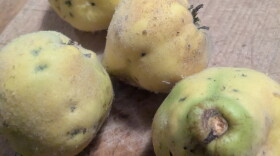 Lane County Master Gardener John Fischer shares how to grow quince in Oregon and offers tips for making homemade membrillo paste with less sugar.
-
 Lane County Master Gardener John Fischer explains where your kitchen scraps go, why home compost bins shrink, and why soil always needs fresh organic matter.
-
 KLCC's Climate Master John Fischer explains why composite decking made from recycled materials is a far more sustainable choice for home building than ancient cedar wood.
-
 Lane County Extension Master Gardener John Fischer shares his top-rated roasted tomato soup recipe and tips for roasting garden produce.
-
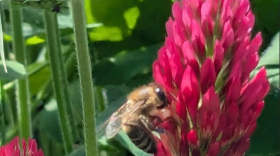 Lane County Master Gardener John Fischer shares how to feed honey bees with late summer fruit and offers key advice for planting fall crops and cover crops.
-
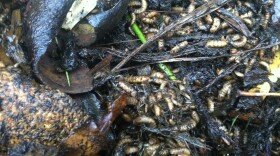 Don't spray those maggots! As John Fischer explains in KLCC's Good Gardening, black soldier fly larvae break down garden waste overnight, turning your summer scraps into rich, fertile compost.
-
 An Oregon bank chose to build around a tree rather than cut it down. Creative design choices can help reduce your environmental impact on everyday projects.
-
 Pacific Northwest gardeners can plant thornless blackberry and raspberry varieties like Columbia Star and Joan J this fall for easier, pain-free harvests.
-
 In this month's Living Less Unsustainably, there's nothing like a heatwave to make you realize how hot it is - and motivate you to keep your home cool with as little energy use and climate impact as possible.
-
 The tendrils that beans, grapes, and even some less desirable plants - like bindweed - send up as they strive to reach new heights really seem to validate the idea that plants are creatures with purpose, and consciousness.
-
 In this month's Good Gardening, KLCC's John Fischer explores how vegetable gardening offers more than fresh, low-cost produce—revealing seasonal patterns, supporting wellness, and deepening your connection to nature.
-
 John Fischer loves growing vegetables from seed, but there are crops where he uses starts - sometimes for the plant's needs, other times for his.


Play Live Radio
Next Up:
0:00
0:00
Available On Air Stations


