

-
 Hearing BuddyOregon entrepreneurs Lilly Seay and Scott Krager discuss Hearing Buddy, their offline live-captioning app for people with hearing loss. Plus, KLCC’s Rebecca Hansen-White on the 4th Congressional District rematch between Val Hoyle and Monique DeSpain.
 -
 Oregon Health AuthorityOregon is enrolled in a nationwide newborn genomic screening research study, the Northwest Regional Newborn Blood Spot Screening Program and BRIDGES-NBS program.


-
 The Oregon Health Authority has walked back a proposal to raise fees on the psilocybin therapy industry.
 -
About 600,000 Oregon Health Plan members will soon receive a notice that Medicaid is about to change. In Oregon, that means some people will need to renew their coverage every six months instead of every two years. Many between the ages of 19 and 64 will also need to prove they work or volunteer.
-
 Phil and Penny Knight are pledging $1.1 billion to Providence to build Oregon's first hospital dedicated to women's health and fund cardiovascular research.
 -
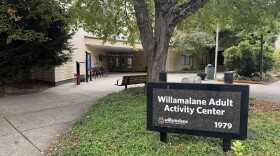 Demand at Springfield's Willamalane Food Pantry has doubled this summer. The organization is hosting a donation event to help fill the gap.
 -
 Oregon’s fight against corporate control of medicine moved onto the national stage on Wednesday as U.S. Rep. Val Hoyle and Sens. Jeff Merkley and Ron Wyden–all Democrats–were among a group of lawmakers to introduce a federal version of Oregon’s landmark ban on the corporate practice of medicine.
 -
 Lane County and PeaceHealth want to open a new behavioral health campus in Springfield. But before the project can move forward, the City of Springfield has to agree to annex the land.
 -
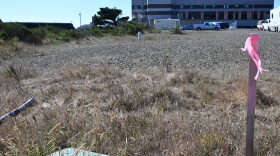 The projected January opening of a Samaritan Health Services retail pharmacy in Newport will be a welcome development in a community left with fewer options after major pharmacy closures in 2025 and 2026.
 -
 Fight over Asante infection records further delays Schofield's trial
 -
 Due to national headlines, postpartum depression and psychosis are a big part of the national dialogue. We talk with Lyndsie Leech of local nonprofit WellMama about these illnesses and what families can do to cope.
 -
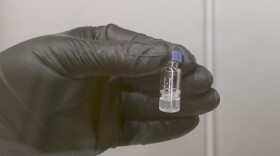 University of Washington scientists plan to ask the FDA to begin human trials for a fentanyl vaccine designed to block the drug from the brain and prevent overdose.


