


Oregon On The Record
Monday-Thursday following the 2:00pm broadcast
On Oregon On The Record we bring you interviews and conversations about issues that matter most to western and central Oregon. From important topics in politics, the economy, education, the environment and more, Oregon on the record will move beyond the headlines and delve deeper into stories that matter to our community.
Latest Episodes
-
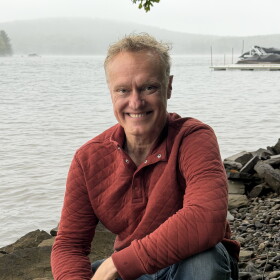 Democratic strategist Dmitri Mehlhorn explains why the U.S. can’t stop developing AI, how data centers could shape the midterms, and the threat AI-generated images pose to shared truth.
 -
 PeaceHealth cardiologists in Eugene, Dr. Eric Muller and Dr. Kristin Linzmeyer, explain how preventive care, lifestyle changes and trusted sources can lower your risk of heart attack.
 -
 Dirk VanderHart, politics reporter for OPB talks about a new poll the station commissioned which shows a virtual tie in the Oregon Governor's Race and voter angst at the state's direction.
 -
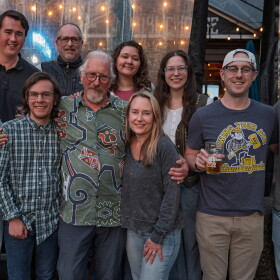 Chris Pietsch, retiring photo journalist for the Register-Guard has seen it all over his decades shooting and reporting on the stories and events that are part of this community's history.
 -
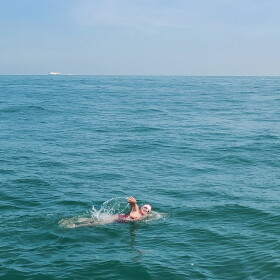 Robin Mayall, who works at the City of Eugene is an endurance athlete who recently attempted one of the marque distance challenges in the world - attempting to swim the icy waters of the English Channel. She tells Oregon On The Record her story.
 -
 A recent report shows that big convenience store chains are systematically overcharging customers even though listed prices prove discrepancies. David Friedman, law professor at Willamette University explains why and how its happening.
 -
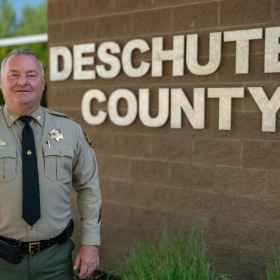 Jen Baires of OPB provides an update on an investigation into a current deputy at the Deschutes County Sheriff's office for lying. He's also a candidate for the job.
 -
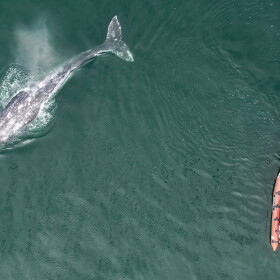 Oregon has a very specific pod of grey whales that stays off our coast year-round due to a normally stable food source. But as OSU Professor Leigh Torres explains, climate change is reducing that food source and negatively impacting the whales.
 -
 Data centers are water and electricity hogs, and a new study provides details on what it costs Oregon to continue to seek them out. OPB's Kyra Buckley joins the show to explain.
 -
 Behavioral scientist Gleb Tsipursky explains why AI rollouts fail and how leaders can ease employee fears about job loss and identity threat before adopting AI at work.
 -
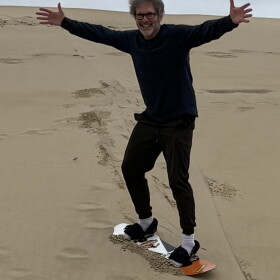 At Sand Master Park in Florence, "Dr Dune," Lon Beale and his colleague David Edge introduce the host to the relative new sport of sand surfing. We also talk with KLCC's newest reporter, Ellie Graham.
 -
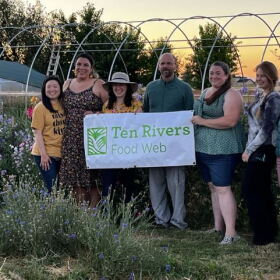 Connecting local farmers with the people most in need of food security is a critical role that the Ten Rivers Food Web nonprofit serves for Linn and Benton Counties. It's executive director, Kirsten Miller explains the mission and strategy. Also, KLCC's Nathan Wilk on a potential higher education strike in the state.


