

-
 Rebecca S. Gratz/AP/FR171818 APAn oncologist traveling on a cruise ship amid a hantavirus outbreak says he's the lone American isolated at a special biocontainment unit in Nebraska.
 -
 Love Cross/KLCCWith ApolloMD out - PeaceHealth changes its plan, signals a reunion with Eugene Emergency PhysiciansThe announcement came amid a trial over the health company's plans to shift staffing of three Lane County emergency departments to a Georgia-based staffing firm.


-
 The trial involving a lawsuit filed by Eugene Emergency Physicians against PeaceHealth Oregon and ApolloMD is underway in Eugene federal court. It seeks to halt contract changes the hospital systems plans for three PeaceHealth Emergency Rooms in Lane County.
 -
 The department is helping people find exemptions to work requirements they might qualify for, and employment help for those who don’t.
 -
 The campus social scene sees many students ready to “party hearty” with alcohol. New University of Oregon research says besides those harsh hangovers, heavy drinking impairs one’s cognitive functions the day after, too.
 -
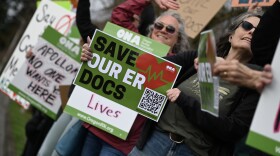 Local nurses have delivered a petition to the PeaceHealth Board of Directors, signed by more than 6,800 supporters of Eugene Emergency Physicians.
 -
 On this edition we talk with Jaime Gatewood of the Fair Housing Council of Oregon about their efforts to fight housing discrimination - especially for people with mental and developmental disabilities. We also talk with Alan Torres of the Register Guard about a key hurdle cleared by the developer for McKenzie-Willamette Medical Center to open up an emergency room in Eugene in the future.
 -
 Health officials in Oregon are concerned they may not be able to contain a small but growing measles outbreak, and on Friday they asked for the public’s help in turning the tide.
 -
 We talk with Logan Telles, Transportation Planner with the City of Eugene, and Captain Ryan Maloney of EPD, about efforts to slow and ultimately prevent all traffic fatalities in the City of Eugene. Then, we talk with KLCC's Rebecca Hansen-White about the public safety and law enforcement challenges of living in rural Lane County.
 -
 On this edition, we talk with Amanda Silberling of TechCrunch about the death of a man at the Troutdale Amazon warehouse and reactions to it from employees who say the facility is not safe. Then we talk with Mari Shay of St. Charles Medical Center about a new Cancer treatment facility opening in Central Oregon.
 -
 Federal court rules Oregon law requiring insurance to cover abortion, contraception unconstitutionalThe scope of U.S. District Court Judge Mustafa Kasubhai’s ruling won’t be known for at least several weeks, but his temporary ruling sides with Oregon Right to Life, the Keizer-based nonprofit that filed a lawsuit in 2023.
 -
 PeaceHealth Oregon’s top executive, who was placed on administrative leave last week, has now been ordered by a federal judge to testify in a lawsuit against the hospital system.


